


First impressions count. We’ve all been told that. But I’ve come to believe it’s the most underrated part of making a portrait.
I notice it everywhere. I walk into a five-star hotel: someone meets me at the door, walks me to the front desk, and I’m in my room before I’ve thought about my luggage. Perfect service. At a four-star hotel I park the car myself, stand in line, and carry my own bags up. Neither is wrong — In both scenarios I knew what I was walking into. And then sometimes the four-star surprises me with a receptionist who’s warmer than she ought to be. But when the five-star place drops the ball, I definitely take note.
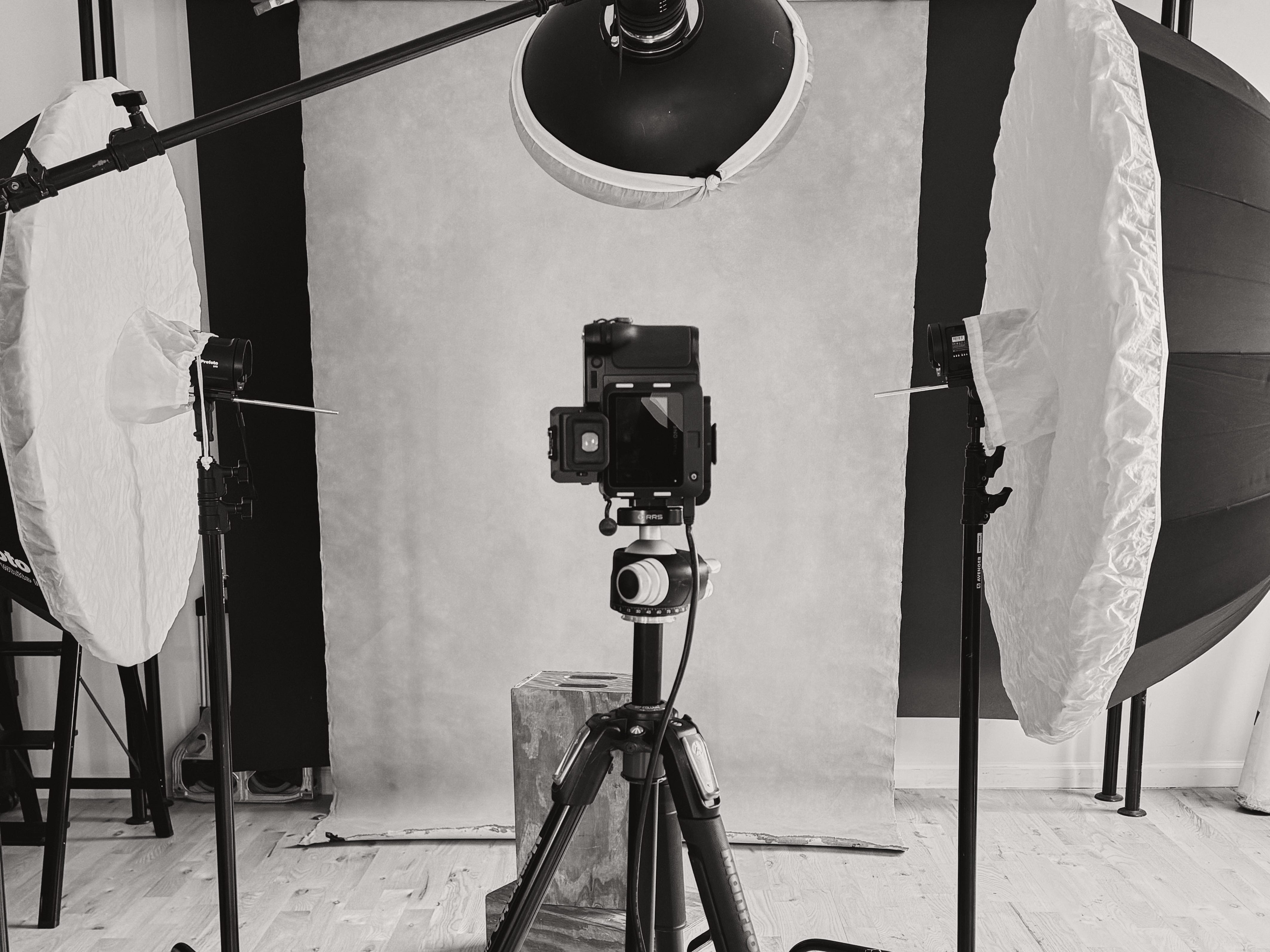
A portrait sitting works the same way. Whatever I’ve promised someone — through the work they’ve seen, through the way I talk about what I do — my subjects arrive knowing what to expect. And in the first ninety seconds after they walk through the door, they decide, consciously or not, how the day is going to go.
None of this is photography skills. It’s basic human interaction. People want to feel welcome, and they want to be seen. When that happens, the fear goes away— the fear of the camera, of being looked at — and the sitting becomes something they want to be part of. That’s the whole game for me. I can’t make an honest portrait of someone who’s bracing.
So I’ve reduced it to four things I think about every time: Know them. Set the vibe. Feed them. Nobody walks in alone.
Know them. Not just the name — though that too, and everyone on set should have it. I want to know who’s walking in and what they’re here for, so that when they arrive there’s a familiarity in the room, as if we’ve been expecting them all morning. Because we have. Being recognized the moment you walk through the door tells someone: you were expected, you matter, you’re already part of this.
Set the Vibe. Music is on before anyone arrives. It tells the person what kind of space they’ve just entered, and that the day has already started without them having to do anything.
Feed them. There’s always a drink offered, and I pour it myself when I can. And always something to eat — bagels and a fruit salad in the morning, sandwiches or a pasta salad later. Nobody has to ask.
Nobody walks in alone. The one that matters most. When the person arrives, someone is there to meet them — my assistant, my studio manager, or me. They don’t stand in a doorway wondering where to go or who to ask for. They’re the priority that day, and that should be clear before a single light goes on.
It doesn’t matter what the portrait is for. An editorial sitting for a magazine, an author portrait for a book jacket, a cover, an executive portrait for an annual report — the person walking through the door is the same person, with the same nerves. The most deliberate I’ve ever been about this was a commission for a Fortune 500 company: portraits of their leadership and senior staff, dozens of people over several days. The experience mattered to them. A few years earlier they’d brought in a photographer who made the sessions awkward enough that people still talked about it when they sat down in front of me. The company did their part too: a car service for every single person coming to my Manhattan studio, so they felt looked after before they’d even arrived.
The person in front of my camera is the VIP that day. And the return is in the work. Someone who feels welcomed and seen relaxes far sooner, and I get to the real expressions — the honest ones — with time to spare. The first ninety seconds aren’t a courtesy. They’re where the portrait begins.